Exploring the Vital Parts of an Efficient Cooling And Heating System
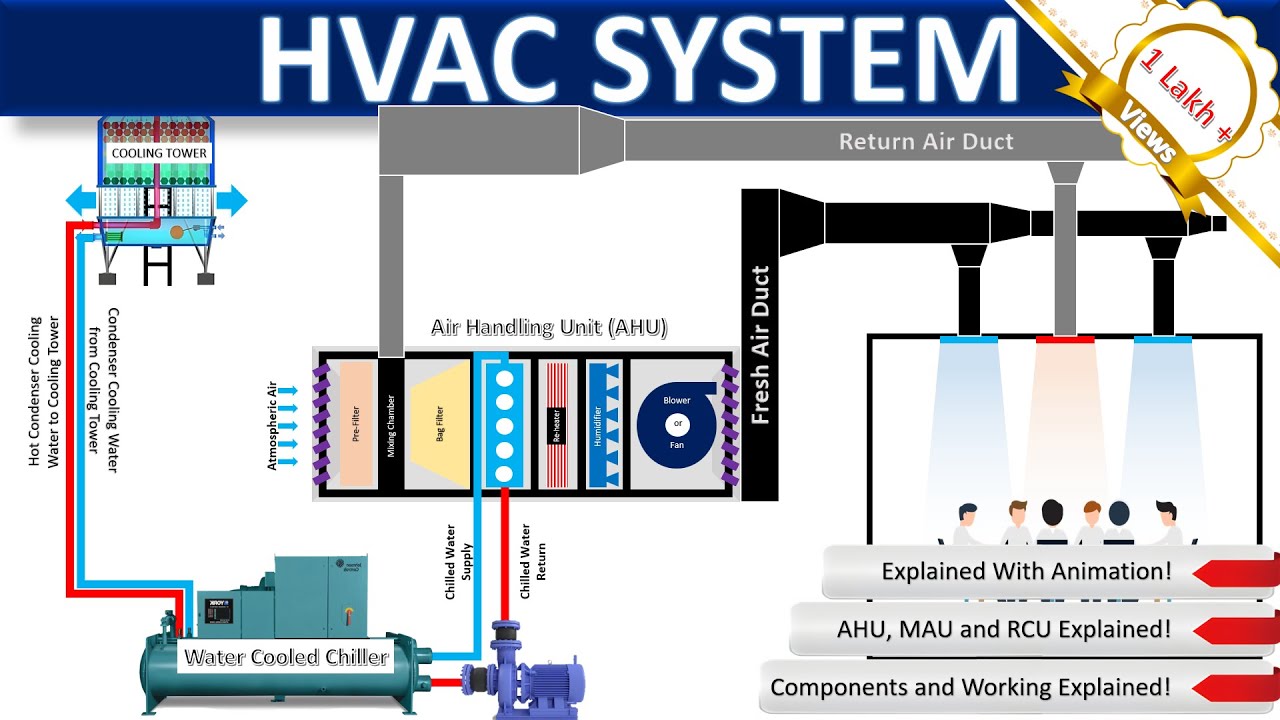
A reliable a/c system is built on numerous critical parts that operate in harmony. Each part, from the thermostat to the ductwork, plays an essential duty in preserving comfort and energy efficiency. Recognizing these components is crucial for optimizing performance and improving indoor air top quality. As one checks out these parts, the complex partnerships in between them disclose understandings right into improving overall system effectiveness. What details aspects contribute most to this effectiveness?
The Function of the Thermostat in Heating And Cooling Performance

Often overlooked, the thermostat plays a crucial function in the efficiency of HVAC systems. This small tool functions as the key nerve center, controling temperature level settings and guaranteeing suitable convenience within a room. By precisely sensing the ambient temperature level, the thermostat interacts with the air, home heating, and air flow conditioning units to preserve the preferred climate
A reliable thermostat lessens power consumption by triggering the HVAC system just when needed, thus protecting against extreme heating or cooling. Modern programmable and clever thermostats boost this performance further by enabling customers to establish schedules and from another location change setups, adjusting to daily routines.
Additionally, the placement of the thermostat is essential; incorrect location can bring about inaccurate temperature level analyses, causing inefficient operation. On the whole, a well-functioning thermostat not only enhances convenience but also adds substantially to energy savings and the longevity of the a/c system.
Recognizing the Significance of Air Filters
Air filters serve a crucial function in a/c systems by assuring that the air circulating within a room continues to be healthy and clean. These filters catch dirt, allergens, and other pollutants, avoiding them from being recirculated throughout the environment. By recording these fragments, air filters contribute to improved indoor air quality, which can greatly profit passengers' wellness, particularly those with allergic reactions or respiratory system conditions.
In addition, maintaining clean air filters enhances the performance of HVAC systems. Blocked filters can limit air flow, causing the system to work harder to preserve wanted temperatures, causing raised energy intake and higher utility bills. On a regular basis replacing or cleansing filters is an important maintenance step that can extend the life-span of a/c equipment. Ultimately, recognizing the significance of air filters permits house owners and building managers to take proactive actions to guarantee a well-functioning, reliable heating and cooling system that promotes a comfortable and secure indoor environment.
The Capability of the Heater and Heatpump
Furnaces and heat pumps are critical parts of cooling and heating systems, in charge of giving warmth throughout chillier months. Heaters operate by home heating air through combustion or electric resistance, after that dispersing it throughout the home through air ducts. They generally provide fast heating and can be sustained by all-natural gas, power, or oil, depending on the system type.
Conversely, heat pumps move warm as opposed to create it. They extract warmth from the outdoors air or ground, also in low temperatures, and move it indoors. HVAC experts. This double functionality allows heat pumps to likewise provide air conditioning in warmer months, making them versatile choices for year-round climate control
Both systems need proper maintenance to guarantee effectiveness and durability. While furnaces master severe cold, heatpump can be helpful in moderate environments. Understanding their distinctive performances aids home owners in picking the most appropriate alternative for their heating needs.
Checking Out the Cooling Device
The cooling unit is an important part of heating and cooling systems, readily available in various types to match various needs. Comprehending the performance rankings of these devices is important for making notified choices concerning power consumption and expense. This area will certainly discover the varied sorts of ac unit and make clear how performance ratings effect efficiency.
Sorts Of Air Conditioners
While numerous aspects influence the choice of a/c systems, recognizing the various kinds readily available is critical for homeowners and structure managers alike. Central air conditioning conditioners are developed to cool down entire homes or structures, using a network of air ducts for air movement. Window systems offer a more local option, suitable for solitary spaces or small areas. Mobile air conditioning unit give flexibility, permitting customers to relocate the system as required. Ductless mini-split systems are another alternative, combining the effectiveness of main systems with the benefit of zoning, as they require no ductwork. Geothermal systems harness the earth's temperature level for energy-efficient air conditioning. Each type comes with distinct advantages, making educated options important for effective climate control.

Efficiency Rankings Described
Understanding performance rankings is crucial for choosing the ideal air conditioning system, as these metrics give understanding right into the system's performance and energy intake. The most typical score for ac unit is the Seasonal Power Effectiveness Ratio (SEER), which gauges the cooling outcome during a common cooling season separated by the total electrical power input. A higher SEER suggests much better performance. Furthermore, the Energy Performance Ratio (EER) is made use of for measuring effectiveness under details problems. Another essential metric is the Energy Star accreditation, which indicates that an unit satisfies stringent energy efficiency standards. By assessing these ratings, customers can make enlightened choices that not just maximize sites convenience but additionally lower power costs and ecological effect.
The Relevance of Ductwork and Air flow
Effective ductwork design and airflow monitoring play important duties in the general performance and performance of cooling and heating systems. Appropriate ductwork warranties that conditioned air is distributed equally throughout a space, minimizing temperature level variations and boosting convenience. Well-designed air ducts lessen resistance to air movement, lowering the workload on heating and cooling tools and ultimately decreasing energy usage.
Air movement administration entails strategically putting vents and registers to improve the flow of air. This avoids usual problems such as chilly or warm areas, which can happen when air movement is obstructed or inadequately well balanced. Furthermore, the right air duct products and insulation can additionally enhance efficiency by reducing heat loss or gain throughout air transit.
An effective ductwork system not only adds to power financial savings yet can likewise extend the lifespan of HVAC devices by decreasing unnecessary stress (HVAC experts). Subsequently, recognizing the importance of ductwork and airflow is vital for accomplishing peak cooling and heating system efficiency
Regular Upkeep Practices to Boost Performance
Routine upkeep methods are crucial for making certain peak performance of heating and cooling systems. These methods include regular evaluations, cleaning, and needed fixings to maintain the system running efficiently. On a regular basis altering air filters is vital, as clogged filters can obstruct air movement and minimize performance. On top of that, technicians should check and tidy evaporator and condenser coils to avoid getting too hot and energy waste.
Yearly specialist assessments are additionally recommended, as experienced professionals can recognize prospective concerns prior to they intensify. Lubing relocating components decreases deterioration, contributing to a much longer life-span for the system. Furthermore, making certain that the thermostat operates appropriately help go in maintaining perfect temperature control.

Regularly Asked Inquiries
How Typically Should I Change My Thermostat?
Thermostats need to usually be changed every 5 to one decade, depending on usage and technology innovations. Normal checks are recommended to assure peak efficiency, especially if experiencing irregular temperature level control or raised power expenses.
What Size Air Filter Is Ideal for My Cooling And Heating System?
The very best dimension air filter for a cooling and heating system differs by device layout. Usually, it's crucial to consult the owner's handbook or examine the existing filter measurements to ensure peak performance and air high quality.
Can I Mount a Heatpump Myself?
Installing a heatpump individually is possible for experienced individuals, yet it needs understanding of electric systems and local codes. Hiring a specialist is recommended to guarantee proper setup and perfect system efficiency.
How Do I Know if My Ductwork Is Efficient?
To figure out ductwork effectiveness, one should examine for leaks, procedure airflow at vents, inspect insulation quality, and assess temperature differences in between supply and return air ducts. Expert assessments can supply detailed insights into overall efficiency.
What Are Indications My Cooling And Heating Demands Immediate Upkeep?
Indications that a heating and cooling system requires prompt maintenance consist of unusual sounds, inconsistent helpful hints temperatures, enhanced energy expenses, undesirable odors, and regular cycling. Addressing these concerns immediately can stop further damage and warranty top system efficiency.
Air filters serve an important function in Cooling and heating systems by assuring that the air distributing within a room continues to be clean and healthy and balanced. Furthermore, preserving tidy air filters boosts the efficiency of HVAC systems. Ductless mini-split systems are another option, incorporating the efficiency of main systems with the convenience of zoning, as they require no ductwork. Understanding performance ratings is necessary for picking the appropriate air conditioning device, as these metrics provide insight right into the system's efficiency and power usage. The ideal dimension air filter for a Cooling and heating system differs by system layout.